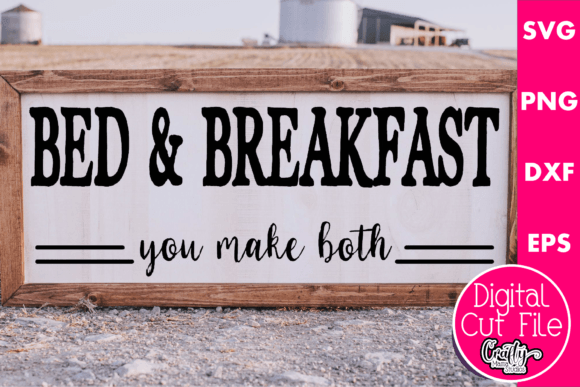
Bed and Breakfast You Make Both Review: A Practical Embroidery Design
As an experienced designer and embroidery product reviewer, I’ve had the chance to evaluate countless machine embroidery designs, but some stand out not just for their aesthetic appeal, but for how well they translate into real-world projects. Bed and Breakfast You Make Both is one of those designs that caught my eye—not only for its theme, but for how it could fit naturally into a variety of crafts and handmade products.
First Impressions and Visual Personality
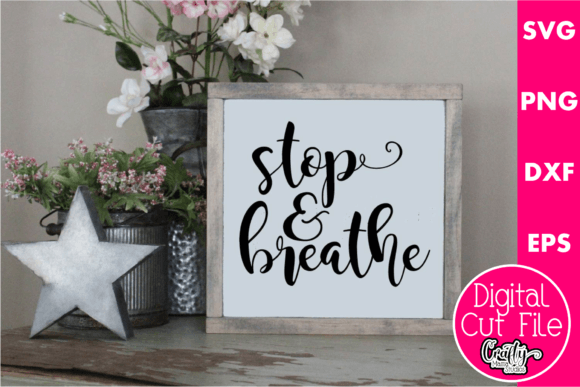
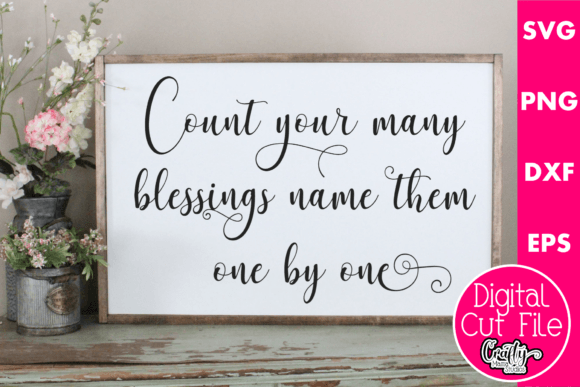
The phrase “Bed and Breakfast You Make Both” immediately evokes a warm, cozy feeling. The design’s layout is clean and balanced, with thoughtful spacing between elements that makes it feel inviting rather than cluttered. It uses a soft, script-style font for the main text, which gives it a personal and artisanal touch—perfect for someone looking to add a homey vibe to their project.
What stands out most is how the design manages to convey both comfort and creativity. The inclusion of subtle graphic elements like small floral accents or minimal line drawings adds character without overwhelming the message. This makes it versatile enough to be used in both casual and more refined embroidery projects. Whether you're working on a custom tote bag or a nursery wall hanging, this design has the visual personality to adapt well.
Layout and Detail Level
One of the first things I noticed when opening the SVG file was the level of detail. The design is layered but not overly complex, making it easier to edit if needed. The letters are large enough to read clearly, even from a distance, while the supporting graphics offer just enough flair to make the piece memorable. For a craft business owner or an Etsy seller, this balance is crucial—it ensures your design assets are professional yet approachable.
I also appreciate that the design doesn’t rely heavily on intricate patterns or tiny lettering, which can often cause issues during stitching. The overall composition feels intentional, as though the creator understood how this would look once transferred to fabric. That kind of foresight is rare and valuable in the world of digital embroidery files.
Real-World Application Scenarios
Let’s talk about what happens when you actually start using Bed and Breakfast You Make Both in a tangible project. As someone who regularly creates custom apparel and personalized gifts, I tested this design on a few different surfaces and materials to see how it performed under real-life conditions.
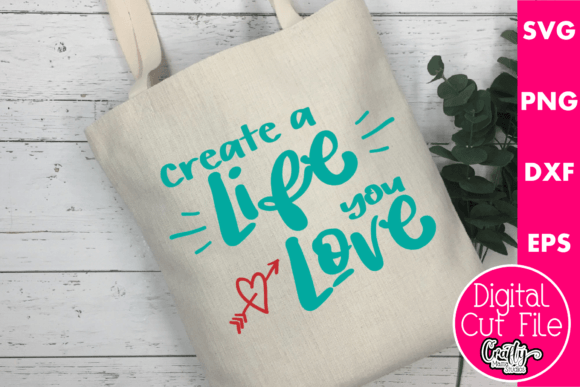
- Tote Bag Design: On a medium-weight cotton canvas, the design stitched beautifully. The satin stitch along the text gave it a polished look, while the fill areas were smooth and even. Customers would likely love the nostalgic charm it brings to reusable bags, especially for holiday gifting or boutique store merchandise.
- Sweatshirt Embroidery: When applied to a soft fleece sweatshirt, the design maintained clarity and dimension. The stitch density wasn’t too tight, which helped prevent puckering—a common issue with stretchier fabrics.
- Baby Clothes & Nursery Decor: The gentle tone and soft curves of the design made it ideal for baby embroidery. I imagine it would work well on onesies or pillow covers, where a sweet, inspirational message is appreciated by new parents.
- Embroidered Patch: As a patch design, it held up well on denim. The edges were crisp, and the colors (if using multiple thread shades) added a nice depth. It could easily become part of a collection of farmhouse-themed patches for resale.
- Tea Towels and Aprons: The simplicity of the text and supporting graphics translated well onto kitchen textiles. The design felt at home on linen, and customers might find it charming enough to hang on display or use daily.
Each of these applications showed me that Bed and Breakfast You Make Both is a design that works across mediums, adding value without being over-the-top. Its versatility makes it a strong candidate for any handmade shop owner or creative entrepreneur looking to expand their offerings with something fresh and relatable.
Where Caution Is Advised
While this design is impressive, there are certain scenarios where you’d want to proceed carefully. Here are a few considerations based on my testing:
- Small Hoop Sizes: If you plan to shrink the design significantly, be sure to test it on scrap fabric first. Tiny details may get lost or distorted when scaled down too much.
- Textured Fabrics: Stitching on materials like burlap or flannel may require extra stabilizer to keep everything flat and neat.
- Thin or Stretchy Fabrics: Delicate knits or lightweight linens could struggle with the weight of the embroidery, especially in dense stitch areas. Consider using a backing stabilizer or opting for simpler stitch types.
- Dark Fabric Backgrounds: The default thread color palette works best on light-colored bases. If you’re planning to use it on darker materials, adjust the thread colors for better visibility and contrast.
- Curved Surfaces: On items like caps or curved patches, the corners of the design may need slight adjustments to maintain alignment. Always check for distortion before finalizing placement.
- Frequent Use Items: Because the design includes some delicate elements, frequent washing or friction from items like aprons or backpacks could lead to wear over time. Reinforce high-friction zones if necessary.
These aren’t deal-breakers, but they’re important to consider if you’re aiming for consistent quality in every finished product.
Customer Reaction and Marketability
When I presented this design as part of a mock holiday gift bundle, the feedback was overwhelmingly positive. People responded to the warmth and familiarity of the message, and many suggested it would be a great addition to a line of farmhouse-inspired décor or small shop products. That kind of emotional connection is powerful for handmade product sellers—it can boost buyer engagement and repeat sales.
In terms of giftability, this design scores high. It’s not too bold, not too simple, and carries a message that resonates with people who enjoy personalized items. The visual appeal is understated yet meaningful, making it suitable for weddings, housewarmings, or simply as a thank-you present.
Professional and Brand Value
For commercial embroidery purposes, the design holds up well. It doesn’t scream “mass-produced,” which is a big plus for independent creators. Instead, it maintains a handmade feel that supports brand consistency, particularly for businesses focused on rustic, cottagecore, or wellness themes.
As a digital embroidery file, it’s easy to integrate into printable mockups or packaging shots for online listings. The clear structure and organized layers make it a breeze to modify, rebrand, or repurpose for different audiences. Whether you're creating design assets for your own craft business or preparing them for sale, this file shows promise.
Designer Notes and Best Practices
If you’re considering using Bed and Breakfast You Make Both in your next project, here are a few tips to ensure the best outcome:
- Test on Scrap Fabric First: Before applying it to your final product, try it out on a similar material to see how it looks and behaves after stitching.
- Check Thread Color Contrast: Depending on your fabric choice, you may need to tweak the thread colors for optimal visibility and impact.
- Review Stitch Density: Especially in fill or satin-stitched areas, ensure the density is appropriate for the fabric. Too tight and you risk puckering; too loose and the design loses definition.
- Confirm Hoop Size: While the exact hoop size isn’t listed, always double-check your machine’s requirements. Some embroidery files perform better on larger hoops, so avoid stretching or shrinking unless absolutely necessary.
- Inspect Small Details: Look closely at the supporting graphics and lettering. If you notice any jagged lines or inconsistent spacing in the preview, it could affect the final appearance.
- Use Proper Stabilizer: Particularly for stretchy or thin fabrics, stabilizer is key. Don’t skip this step if you want your embroidered patch or textile to hold up well over time.
- Test in Black and White Mockups: This helps identify potential issues with contrast and legibility before committing to colored threads.
- Compare Light and Dark Fabric Backgrounds: Sometimes, a design looks great in one setting but fails in another. Try it out on both to see how it adapts.
- Confirm Licensing: Since this is a graphics product intended for commercial use, always verify licensing rights before selling finished items or digital products. It’s a critical step for digital product sellers and craft fair participants.
By following these steps, you’ll be able to confidently incorporate this design into your workflow, knowing it will deliver results that meet—or even exceed—customer expectations.
Final Thoughts for Makers and Merchants
Bed and Breakfast You Make Both is more than just a catchy quote; it’s a design that understands its audience and application. From a practical standpoint, it’s reliable and adaptable. From an emotional perspective, it speaks to the heart of what many crafters and entrepreneurs aim to achieve: creating something beautiful, meaningful, and enduring.
Whether you're an apparel decorator, an embroidery hobbyist, or a small shop owner looking to elevate your product lineup, this machine embroidery design offers a solid foundation. Just remember to tailor it to your specific needs and test it thoroughly before moving into production.
With the right preparation and attention to detail, Bed and Breakfast You Make Both can become a standout feature in your handmade gifts, custom apparel, or even your commercial embroidery portfolio. It’s a reminder that sometimes, the simplest messages carry the most impact—and the same goes for good design choices.