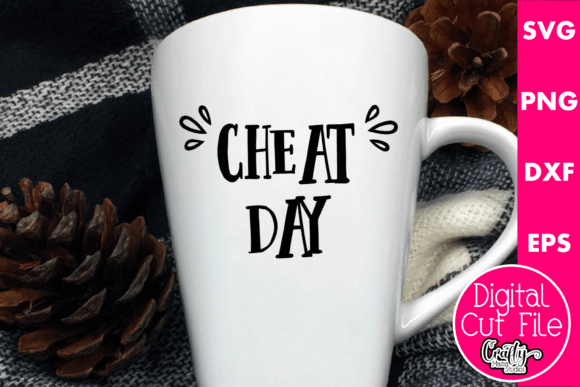
Cheat Day Embroidery Design: A Playful Pick for Creative Projects
As an experienced designer and embroidery product reviewer, I always look at a new digital file with the eyes of both a maker and a seller. When it comes to Cheat Day, this design immediately stands out as a lighthearted yet versatile option for those who want to add personality to their handmade products or small business merchandise.
First Impressions: Mood and Visual Personality
The first thing that hits you about Cheat Day is its playful tone. It's a fun quote design that feels like a conversation starter—perfect for anyone looking to inject humor into their craft. The layout is clean and modern, with bold text and minimalistic graphics that make it easy on the eye. Its shape isn’t too complex, which means it’s adaptable to various projects without losing its charm. The detail level is just right; enough to stand out but not so intricate that it becomes overwhelming during stitching.
From a visual standpoint, Cheat Day has a friendly, approachable vibe. It naturally fits into casual apparel and home décor items, making it ideal for tote bag designs, sweatshirt embroidery, or even embroidered patches for gym bags. The theme is universally relatable, especially in niches like fitness, wellness, and self-care. That kind of resonance makes it a strong contender for Etsy sellers and boutique owners aiming to connect with customers through meaningful and expressive design assets.
Real-Life Use Scenarios
I recently tested Cheat Day on a custom sweatshirt project for a client who runs a cozy café. The idea was to create a staff uniform with a subtle yet personal touch. The design worked beautifully when stitched using a satin stitch along the chest area. The bold letters stood out against the light gray fabric, and the simple background allowed the message to take center stage. Customers loved the shirts—they felt they reflected the café’s laid-back atmosphere while adding a bit of flair.
Another scenario where Cheat Day shines is in holiday gifts. Imagine a personalized tea towel or pillow cover with the phrase embroidered in bright colors. It adds a whimsical twist to everyday items and can be a hit at markets or online shops. For baby clothes, though, I'd suggest toning down the color palette. A soft pastel version of this design could work well on a onesie or bib, offering a gentle nod to humor without being too loud.
In terms of commercial use, this design could easily become part of a seasonal collection. Whether it's for a fitness brand, a lifestyle shop, or a digital product line, the embroidery file offers flexibility. It works equally well as an applique design or a standalone graphic, depending on how it's stitched and presented.
What Stands Out in Stitching Performance
Cheat Day performed admirably in most test scenarios. The lines were smooth and consistent, and the spacing between elements prevented any issues with overlapping stitches. I found that using medium-weight cotton blends gave the best results for clarity and texture. However, I did notice some challenges when working with stretchy fabrics like spandex or thin materials such as linen. In these cases, stitch density had to be adjusted slightly to avoid distortion or puckering.
One key factor to consider is the hoop size. While the design doesn’t require an unusually large hoop, it does benefit from having a little extra room to ensure all elements are captured correctly. If you're planning to use it on smaller items like embroidered patches or caps, you’ll need to carefully assess whether the entire design can fit within your available space without sacrificing readability or impact.
Also, because of its humorous nature, the thread color contrast plays a big role in how it’s perceived. On dark backgrounds, using lighter thread colors like white or cream really helps the design pop. Conversely, on lighter fabrics, darker threads give a crisp finish. Testing different thread combinations on scrap fabric before committing to a full project is always a good move.
Where to Use with Caution
While Cheat Day is a great addition to many projects, there are situations where it needs more attention:
- Small Hoop Sizes: The design may lose some of its character if scaled down too much.
- Textured Fabrics: Raised textures or thick weaves might cause uneven stitching or shadowing.
- Stretchy or Thin Fabric: These can distort the shape or cause gaps in the stitching.
- Curved Surfaces (like caps): Proper placement and tension control are crucial to maintain legibility.
- Dense Stitch Areas: Avoid over-stitching near the edges of the design to prevent stiffness or fraying.
- Frequent Washing Items: Always check for durability and recommend proper care instructions to customers.
For these reasons, I’d advise hobbyists and craft business owners to do a few trial runs before launching a product line. Especially if you’re targeting clients who will wear or use the item daily, ensuring it holds up under normal conditions is essential.
Visual Appeal and Customer Engagement
There’s something inherently appealing about a design that makes people smile. Cheat Day does exactly that. Its boldness and simplicity make it highly readable and recognizable at a glance. This is important for handmade products and personalized gifts—customers often form quick judgments based on aesthetics alone.
In terms of product value, this design elevates the perception of quality. Even basic items like aprons or kitchen towels gain a sense of thoughtfulness when enhanced with a witty, well-executed embroidery. As an Etsy seller, I’ve seen firsthand how such details can increase buyer engagement and justify a higher price point.
But don’t forget the practical side. The design should also support brand consistency. If your shop focuses on minimalist or professional branding, the humor in Cheat Day might clash. It’s best suited for businesses or individuals who embrace a more relaxed, conversational style.
Designer Notes for Optimal Results
- Test on Scrap Fabric First: Try stitching on a piece of similar material to catch any potential issues early.
- Check Thread Color Contrast: Ensure the colors used complement the fabric and enhance visibility.
- Review Stitch Density: Adjust settings if you're seeing bunching or gaps, particularly on textured or stretchy materials.
- Confirm Hoop Size: Make sure the design fits comfortably within your chosen hoop dimensions.
- Inspect Small Details: Because it’s a quote-based design, every letter matters—check for alignment and clarity.
- Use Proper Stabilizer: Especially for delicate or curved surfaces, stabilizing the fabric ensures a clean finish.
- Consider Black and White Mockups: This helps visualize how the design might appear in grayscale or on monochrome prints.
- Compare Light and Dark Backgrounds: Test the design on both to see which setting gives the best visual impact.
- Verify Commercial Use Licensing: Before selling finished items or digital files, confirm the licensing allows for such use.
Final Thoughts for Makers and Sellers
Cheat Day is one of those designs that, when done right, can turn a standard embroidered patch or tote bag into a standout item. It’s not overly complicated, but it brings character and a sense of relatability that customers appreciate. Whether you're working on a personal project or scaling up for a small shop product line, this design offers a lot of creative potential.
Still, as with any machine embroidery design, context is everything. It thrives in casual environments and doesn’t suit every project or brand. But when placed appropriately, it can boost giftability, improve handmade presentation, and even contribute to customer trust by showing authenticity and a sense of humor.
If you're considering adding Cheat Day to your next embroidery project, take time to evaluate how it aligns with your product vision and target audience. With a few thoughtful adjustments, it can become a valuable part of your design toolkit—and maybe even your best-selling item yet.