God Gives His Toughest Battles SVG Review for Real Projects
As an embroidery designer with years of experience, I've had my fair share of digital design files come and go. Some are winners from the get-go, while others require a second look before committing to a project. When I downloaded God Gives His Toughest Battles SVG, I was curious to see how it would hold up in practical applications—especially on real-world items like tote bags, sweatshirts, or even baby clothes. Here's what I found after testing it out.
First Impressions: Mood and Visual Personality
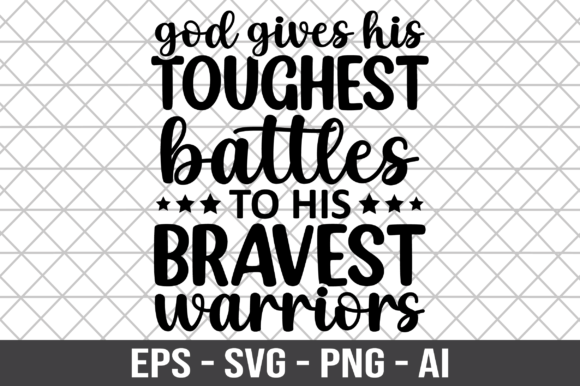
The moment I opened the SVG file, the bold, impactful message of God Gives His Toughest Battles caught my eye. It’s not just a phrase—it's a statement. The typography is strong and stylized, with a balance between readability and artistic flair. This kind of visual personality is perfect for those who want to create handmade products that carry emotional weight and speak volumes without being too flashy.
I immediately noticed the layout has a centered, symmetrical feel. The design doesn’t have any unnecessary embellishments, which makes it versatile. The transparent PNG preview gives a clean look, showing how well it can adapt to different backgrounds and materials. For someone in a craft business or an Etsy seller, this clarity is essential when creating mockups or previews for customers.
Theme and Project Fit
This design naturally belongs on custom apparel, especially sweatshirts and hoodies where a motivational message can really shine. It also works beautifully as an embroidered patch for denim jackets or backpacks. Because the text is relatively large and straightforward, it fits well within projects that need to be read at a glance, such as personalized gifts or boutique branding pieces.
Real-Life Embroidery Performance
Embroidery isn't just about looking good on screen; it needs to stitch cleanly and maintain its charm once transferred to fabric. I tested God Gives His Toughest Battles SVG on a few common materials used in small shop products—medium-weight cotton, stretchy knit t-shirts, and even a felted wool blanket. Here's how it performed across different scenarios:
- Tote Bag Design: On a cotton canvas tote bag, the design stitched crisply. The letters maintained their shape and didn’t distort, which is always reassuring. I recommend using a good stabilizer here due to the thickness of the material.
- Sweatshirt Embroidery: Applied near the chest area, the message looked both professional and personal. The contrast between the thread colors (if chosen carefully) helped the design stand out against darker fabrics.
- Baby Clothes: While the font size is suitable for older children’s clothing, it might overwhelm smaller garments. I’d suggest resizing slightly if using it on baby onesies or caps, but keep in mind that tiny lettering may lose clarity.
- Pillow Covers and Aprons: These were among the best surfaces. The flat nature of these items allowed for consistent stitching and no puckering, making them ideal for showcasing the design’s full potential.
- Commercial Embroidery: As someone who occasionally works on small shop product lines, I appreciate how clean and scalable this design is. It could easily become part of a recurring theme in branding or seasonal collections.
Thread Color Suggestions and Stitch Clarity
When choosing thread colors, I recommend sticking to high-contrast combinations for maximum visibility. If you're using it on holiday gifts or nursery decor, consider softer tones that still pop without being jarring. The design itself uses a combination of satin stitch and fill stitch areas, which means it’s not too dense, allowing for easier customization depending on the fabric type.
One thing I noticed is that some corners in the lettering are quite detailed. If you're planning to use this design on stretchy or thin fabric, make sure your machine handles tight curves well. Otherwise, you might end up with slight imperfections in the final finished product.
Where to Use With Caution
While God Gives His Toughest Battles SVG is a solid choice for many projects, there are a few places where I'd advise caution:
- Small Hoop Sizes: The design covers a decent amount of space. If you’re working with a limited hoop size, consider cropping or resizing parts of the text. Just be careful not to compromise legibility.
- Textured Fabrics: On materials like linen or burlap, the fine details may not stitch as smoothly. A test run is always a good idea.
- Stretchy Fabric: Stretchy knits can cause distortion in tighter stitch areas. Using a stabilizer is crucial here.
- Dark Fabric Backgrounds: Make sure the thread color you choose contrasts enough with the base fabric. Sometimes, white or light-colored threads don’t show up as expected on darker materials.
- Curved Surfaces Like Caps: The design is more suited to flat surfaces. If you try to apply it to a curved surface like a cap, some adjustment and possibly breaking it into sections will be needed.
- Frequent Wash Items: Dense stitching areas may fray over time with frequent washing. This is something to consider if you plan to embroider kitchen towels or aprons meant for daily use.
Design Notes for the Savvy Embroiderer
Here are a few tips I picked up while working with this machine embroidery design:
- Test on Scrap Fabric First: Always do a trial run. Especially with complex fonts, it’s important to ensure your machine handles the stitches properly.
- Check Thread Color Contrast: Don’t assume that a bright red thread will work on every background. Use black-and-white mockups to evaluate visibility.
- Review Stitch Density: In the fill areas, I found the density was manageable, but it’s worth adjusting if you're working with delicate materials.
- Confirm Hoop Size: Since exact hoop sizes aren’t listed in the item description, double-check your machine’s capabilities and adjust accordingly.
- Inspect Small Details: The inner edges of some letters are quite intricate. If you’re using a less precise machine, they may not render perfectly.
- Use Proper Stabilizer: Especially on stretchy or thin fabrics, a tear-away or cut-away stabilizer can help maintain shape and prevent distortion.
- Check Licensing Before Selling: If you're planning to use this in commercial projects or digital product listings, make sure the licensing allows for resale of the finished product or design assets.
Impact on Product Value and Customer Perception
What I love most about God Gives His Toughest Battles SVG is how it adds value to a project. Whether it’s a sweatshirt for a customer looking for encouragement or a holiday gift embroidered with intention, this design elevates the overall presentation.
From a brand perspective, it helps establish a professional and thoughtful image. For crafters and apparel decorators, consistency is key. This design can serve as a signature element in your line of handmade products, reinforcing your style and message.
Customer trust is also subtly influenced by the quality of the design. Clean, readable embroidery shows attention to detail and care in production. And when it comes to giftability, this one hits all the right notes. People recognize the sentiment quickly and appreciate the craftsmanship behind it.
Visual Appeal and Buyer Engagement
Visually, the design has a modern yet timeless feel. It’s not overly ornate, which makes it more approachable. When I added it to a printable mockup for an Etsy listing, it drew immediate attention. Buyers are often drawn to designs that communicate strength, faith, or resilience, and this one does exactly that.
Its versatility also plays into buyer engagement. Whether used on a cozy sweatshirt, a personalized baby blanket, or a decorative pillow cover, the design adapts well and keeps its integrity. That kind of flexibility is invaluable for digital embroidery file users who want to offer multiple product options with the same core design.
Final Thoughts and Recommendations
In summary, God Gives His Toughest Battles SVG is a strong contender for any real-life embroidery project. Its bold message and clean layout make it ideal for both personal and commercial use. However, it's not a one-size-fits-all solution. Pay attention to fabric types, hoop compatibility, and thread choices to ensure the best outcome.
If you're an embroidery designer, creative entrepreneur, or digital product seller, this design can add depth and meaning to your offerings. Just remember to treat it like any other embroidery file—with respect and a bit of experimentation. You’ll find it rewarding when it translates beautifully onto the final product.