Honey Bee Mine SVG Cut File: A Designer’s Practical Take
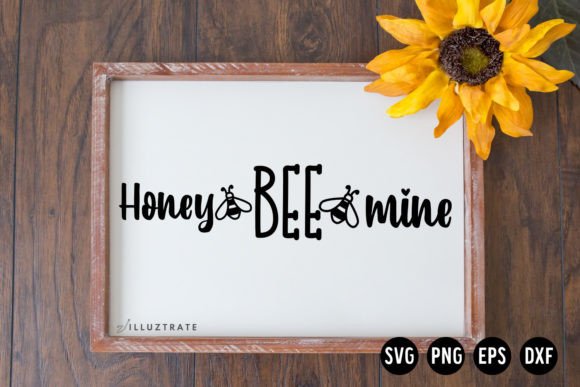
As an embroidery designer with years of hands-on experience, I’m always looking for digital designs that not only look good in the preview but also perform well when stitched into real-world products. When I first opened Honey Bee Mine SVG Cut File Bee SVG, I knew it was crafted with intention. The design carries a warm, nostalgic feel—perfect for those who love subtle charm in their handmade items.
Aesthetic First Impressions and Design Mood
The Bee SVG from Honey Bee Mine has a clean layout and balanced proportions that immediately suggest versatility. It doesn’t scream for attention; instead, it whispers elegance through its gentle curves and thoughtful spacing. The visual personality is approachable and timeless, making it ideal for both personal use and commercial applications like custom apparel or boutique branding.
I found myself imagining this design on a soft cotton sweatshirt or a personalized baby onesie. Its presence feels just right—not too busy, yet detailed enough to convey a sense of care and craftsmanship. For an embroidered patch or a tote bag design, it would elevate the item without overpowering it. That’s the mark of a solid machine embroidery design.
Real-World Application and Stitch Performance
Let’s talk about how Honey Bee Mine SVG Cut File Bee SVG holds up under the needle. In a practical scenario, say you're preparing a line of holiday gifts for your Etsy shop. This design could be stitched onto tea towels, aprons, or even pillow covers to add a touch of seasonal cheer while maintaining a cohesive aesthetic across your product range.
When using this file in Silhouette Cameo or Cricut Maker, the cut lines are precise and easy to manage. If you’re working with applique design techniques, the outlines translate well, especially when paired with satin stitch or running stitch finishes. The balance between negative and positive space allows for creative layering with other elements if needed.
On darker fabrics, the design still retains its identity thanks to its bold silhouette. However, thread color contrast should be carefully considered to ensure visibility. On lighter materials like cotton or linen, the details pop more naturally, making it a strong candidate for sweatshirt embroidery or tote bags that will serve as everyday carry items.
Design Clarity and Fabric Considerations
One thing I noticed early on is that the design works best when given some breathing room. While it's adaptable, using it on very small hoop sizes may compromise the integrity of its finer elements. For example, if you're planning a cap or hat embroidery, make sure to scale it appropriately so the bee remains recognizable and the stitching stays tight and neat.
- Textured Fabrics: Be cautious with stretchy or heavily woven materials—this can affect how smoothly the machine handles the design.
- Thin or Delicate Fabrics: The stitch density might require adjustment to avoid puckering or tearing.
- Dense Stitch Areas: There are parts of the design where fill stitch or satin stitch might overlap, so test on scrap fabric before mass production.
Where This Design Shines
Honey Bee Mine SVG Cut File Bee SVG is particularly effective in:
- Custom Apparel Projects: Think cozy sweaters, hoodies, or t-shirts where a subtle motif adds character.
- Handmade Products: Whether it's a kitchen towel, nursery decor, or an embroidered apron, this design fits right in.
- Gifts and Personalized Items: It brings warmth and charm to baby clothes, holiday gifts, or wedding favors.
- Commercial Embroidery: For small shop owners or craft business creators, this SVG offers a professional finish that aligns well with brand aesthetics.
What I appreciate most is how this design maintains clarity at different scales. When used as a decorative accent on a larger item like a blanket or pillow cover, it adds visual interest without becoming lost. And when downsized for a cap or a small patch, it still reads clearly and keeps its shape.
Visual Appeal and Marketability
From a buyer engagement perspective, the bee SVG exudes a sense of authenticity. Customers tend to gravitate toward designs that feel handpicked rather than generic. The visual appeal here is understated yet impactful—ideal for handmade product lines that aim to stand out without being loud.
In terms of product value, incorporating this design into your Embroidery Project can subtly enhance perceived quality. As an Etsy seller, this means higher customer trust and better chances of repeat orders. For small shop product offerings, it contributes to brand consistency and recognition.
Designer Notes for Optimal Use
- Test on Scrap Fabric: Always do a trial run to see how the design behaves with your specific machine and thread setup.
- Check Thread Color Contrast: Especially important for dark backgrounds—use white or metallic threads for better visibility.
- Review Stitch Density: Some areas might need tweaking depending on the fabric thickness and desired outcome.
- Confirm Hoop Size: Though the design is versatile, smaller hoops may require careful scaling and trimming.
- Inspect Small Details: Look closely at corners and inner lines to ensure they won’t distort during stitching.
- Use Proper Stabilizer: This helps maintain shape and prevents shifting, especially on stretchy or thin materials.
- Consider Commercial Licensing: If you plan to sell finished items or distribute digital embroidery files, verify licensing terms to stay compliant.
Final Thoughts for Crafters and Business Owners
Overall, Honey Bee Mine SVG Cut File Bee SVG is a reliable asset in any embroiderer’s toolkit. It blends functionality with style, making it suitable for both hobbyists and commercial embroidery ventures. From my experience, it’s one of those designs that feels familiar yet fresh—a great fit for anyone aiming to create personalized gifts or branded merchandise that resonates with customers.
Whether you're an embroidery designer crafting for a client, a creative entrepreneur launching a new line, or a handmade shop owner looking to boost your inventory, this SVG deserves a place in your next project. Just remember to tailor it to your materials and machines—it’s all about finding that perfect harmony between design intent and real-life execution.