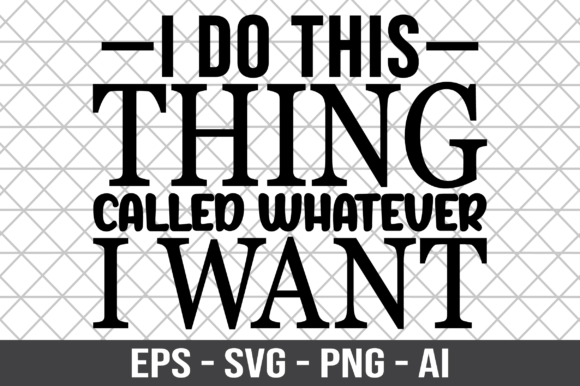
I Do This Thing Called Whatever I Want
As an experienced embroidery designer and product reviewer, I’ve seen my fair share of digital design files. Some are polished and precise, others feel rushed or lack the adaptability needed for real-world projects. When I first opened I Do This Thing Called Whatever I Want, I was intrigued by its name—something that hints at freedom, creativity, and a bit of irreverence. And the visual? It lives up to that promise.
The design has a playful yet clean layout with bold lettering and minimalistic details. It’s not overly intricate, but it carries enough character to stand out on fabric without overwhelming the viewer. The phrase itself is catchy and versatile, which immediately makes me think of custom apparel, tote bags, and even personalized gifts where a touch of personality goes a long way.
A Natural Fit for Handmade and Personalized Projects
I Do This Thing Called Whatever I Want feels like it was made for people who want to express individuality through their crafts. Its typography leans towards a casual, modern vibe, making it ideal for items like sweatshirts, aprons, or baby clothes where a fun message can resonate well. For example, if I were creating a batch of embroidered tote bags for a local boutique, this design would work beautifully as a conversation starter—especially when paired with a simple color scheme and a soft pastel fabric.
It also fits nicely into holiday gift scenarios. Imagine a cozy throw blanket with this design stitched in warm tones—perfect for someone looking to add a humorous and artistic touch to their home decor. Or maybe a set of kitchen towels with a light-hearted twist. Either way, the message feels approachable and slightly rebellious, which appeals to a broad audience.
Stitch Clarity and Visual Appeal
One of the first things I noticed about this design is how clearly defined the letters are. They’re not too thin, nor are they overly bulky. The balance between negative space and stitch coverage gives it a breathable quality that works especially well with satin stitch and fill stitch techniques. That said, if you're planning to use running stitch for outlines or borders, be prepared to tweak some elements for better definition.
Because the design lacks tiny lettering or ultra-fine details, it maintains clarity even when resized. That’s a big plus for anyone working with variable hoop sizes or multiple fabric types. However, keep in mind that while resizing is possible, always test the design on scrap fabric before finalizing your project. Especially if you plan to scale it down for smaller items like embroidered patches or caps.
Where This Design Shines
- Custom Apparel: T-shirts and sweatshirts with this design come off as stylish and unapologetically unique. The font style adds a sense of confidence and flair.
- Tote Bag Embroidery: As a tote bag design, it brings a personal touch that customers will love. Pair it with a minimalist background and a few small decorative accents for added charm.
- Baby Items: While the tone isn’t overtly sweet or traditional, it could still work for a quirky baby onesie or bib—just pair it with softer colors and avoid dark thread choices.
- Holiday Gifts: Whether it's for Christmas, New Year’s, or any special occasion, this design can bring humor and artistry to handmade presents like pillow covers or mugs.
- Etsy Sellers and Small Shop Merchandise: This graphics file offers a ready-to-use design asset that can elevate your listings. Its transparency and vector format allow for easy integration into printable mockups, helping buyers visualize the finished product before purchasing.
When to Proceed with Caution
Despite its strengths, there are certain situations where I Do This Thing Called Whatever I Want might need extra attention. If you're working with small hoop sizes, say under 4 inches, you may find the text gets compressed or loses impact. In such cases, consider using just part of the phrase or simplifying the layout further.
Textured fabrics, like denim or canvas, can sometimes obscure the subtleties of the design. You’ll need to adjust stitch density accordingly to ensure legibility. Thin or stretchy materials also require careful handling—use a stabilizer underneath to prevent distortion during stitching.
If you're planning to embroider on dark fabric, thread color contrast becomes essential. The transparent PNG included in the download is helpful here; it allows you to preview how different thread colors will interact with your chosen base material. Also, avoid placing the design on layered garments or curved surfaces like caps unless you’re willing to do some repositioning and editing.
Design Notes for Real-World Use
- Test on Scrap Fabric First: Always do a trial run. This helps you catch issues with stitch coverage or alignment early.
- Check Thread Color Contrast: Especially if you're using this for commercial embroidery or Etsy sellers aiming for high buyer engagement, make sure the colors pop against the background.
- Review Stitch Density: Dense areas might cause puckering on delicate fabrics. Adjust accordingly based on your machine and material.
- Confirm Hoop Size: Since the design doesn't specify minimum or maximum hoop dimensions, double-check your machine requirements and fabric stability.
- Inspect Small Details: Even though the design avoids intricate corners, always check for potential stitch jumps or gaps that might affect the final look.
- Use Proper Stabilizer: This ensures your design looks crisp after embroidery, especially on stretchy or wash-prone items like aprons or baby clothes.
- Test in Black and White Mockups: Sometimes, the design’s appeal relies on color. A black-and-white version might reveal whether the shape and layout are strong enough on their own.
- Compare Light and Dark Fabrics: This helps determine if the design needs additional outlining or shading for visibility.
- Confirm Licensing Before Selling: If you plan to use this in commercial embroidery or digital product sales, always review licensing terms to protect your business and your clients.
Visual Impact and Branding Potential
This design contributes significantly to the visual appeal of a product. It’s bold enough to be noticeable, yet subtle enough to complement rather than overwhelm. For hobbyists and creative entrepreneurs, it can serve as a signature element in a handmade product line, helping build brand recognition over time.
In terms of customer trust and giftability, the phrase resonates with those who appreciate authenticity and self-expression. It can turn a standard item into a memorable one—a factor that boosts both handmade presentation and buyer engagement. If you're targeting a younger demographic or niche markets like boutique branding or craft fairs, this design could become a staple in your offerings.
For commercial embroidery purposes, the design’s adaptability means it can fit into various product categories. But again, always verify compatibility with your intended use case and confirm that the file formats (like AI, EPS, SVG) meet your software and machine requirements.
Final Thoughts from the Field
Embroidery is more than just transferring a graphic onto fabric—it's about ensuring that every detail translates correctly into stitches. I Do This Thing Called Whatever I Want does a solid job of bridging the gap between digital design and physical creation. It’s a great choice for crafters, Etsy sellers, and small shop owners who want to offer something fresh and expressive without sacrificing quality or practicality.
However, don’t let the simplicity fool you. Just because it’s easy to resize or apply doesn’t mean it should be used carelessly. Pay attention to the fabric, the placement, and the overall context of your project. With thoughtful application, this design can enhance your product lineup and help your brand stand out in a crowded market.
Ultimately, I Do This Thing Called Whatever I Want is a reliable addition to your design library. Whether you're creating personalized gifts, updating your craft business inventory, or designing for a client’s next collection, it brings a unique voice that’s hard to ignore.