★★★★☆4.1(459 reviews)
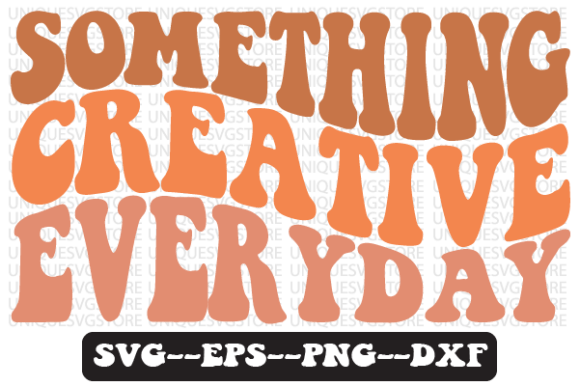
Something Creative Everyday Retro Svg Review for Real Projects
Performance Across Embroidery Projects
- Sweatshirts: The design looked great on a hoodie, particularly in fill stitch format. The colors were vibrant, and the placement felt natural near the chest area.
- T-Shirts: When placed lower on the torso, it gave a laid-back vibe suitable for casual wear. The running stitch elements flowed smoothly without puckering.
- Baby Clothes: The gentle, rounded shapes are perfect for baby onesies or rompers. It adds a playful yet elegant touch that appeals to parents shopping for personalized items.
- Patches: Used as an embroidered patch, the design maintained its integrity and appeared neat after trimming excess stabilizer and backing it with fusible web.
- Aprons & Pillow Covers: The retro motif paired beautifully with home décor items. On aprons, it added a stylish flair while remaining functional and unobtrusive.
- Holiday Gifts: For Christmas or other themed presents, the design fits right in. It brings a festive warmth without being too loud.
Where Caution Is Advised
- Small Hoop Sizes: If you plan to use this on tiny patches or embroidered caps, consider scaling it down carefully. Some details may become too delicate for smaller spaces.
- Textured Fabrics: While it worked well on cotton and blends, it might struggle on materials like denim or flannel unless proper stabilizers are used.
- Stretchy or Thin Fabric: Avoid using it on stretchy materials such as spandex or very thin linens. The tension from stitching can cause distortion or breakage in these cases.
- Dark Backgrounds: Thread contrast matters. If you're embroidering on black or dark-colored fabrics, ensure your thread choices offer enough visibility to maintain the design’s appeal.
- Curved Surfaces: Like hats or curved pillow covers, the design may need some adjustment for smooth results. Test placement before committing to production runs.
Practical Designer Notes
- Test First: Always try it on scrap fabric to evaluate how it behaves with your machine settings and thread types.
- Check Contrast: Use a mockup tool or print a sample to see how thread colors interact with the fabric background.
- Review Stitch Density: Adjust the stitch spacing if necessary, especially for lightweight or stretchy materials.
- Confirm Hoop Size: If you’re unsure about recommended dimensions, scale it slightly and do a trial run.
- Inspect Small Details: Make sure fine lines and corners don’t get lost during digitizing or scaling.
- Use Proper Stabilizer: Especially important for home-use machines. Tear-away or cut-away stabilizers can help prevent puckering or shifting.
- Test Black and White Mockups: See how the design translates without color, which is useful for grayscale prints or monochromatic embroidery.
- Compare Light and Dark Backgrounds: This will give you a better idea of visibility and impact in different product scenarios.
- Confirm Licensing: If you’re planning to sell finished items or digital products, verify whether the design allows commercial use.
⬇️ Download Free
Free download · No sign-up required
🔗 You Might Also Like
Crafts
As an experienced embroidery designer and product reviewer, I’ve had the chance ...
Crafts
Real-Life Embroidery Performance and Application For custom apparel , especially...
Crafts
As an experienced embroidery designer and product reviewer, I always look at a n...
Crafts
As a designer and embroidery product reviewer who has worked on countless custom...

Crafts
If you're in the world of machine embroidery design , you know that choosing the...
